Our environmental footprint tool passes the FSI FloriPEFCR benchmark
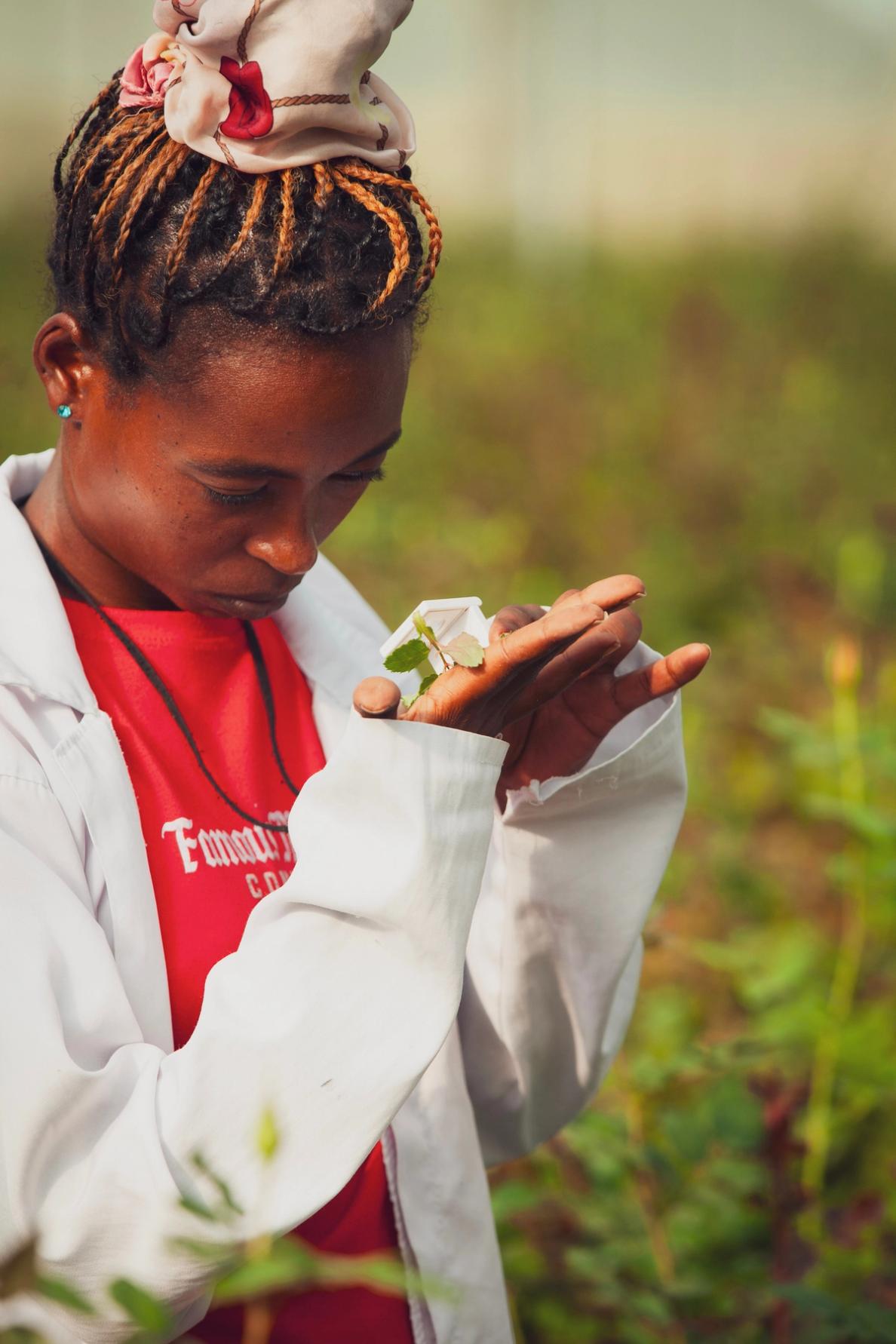
CE Delft has completed the Floriculture Sustainability Initiative benchmark for the environmental footprint tool it built for Afriflora.
To reduce emissions, you first need to measure them properly. That sounds simple. In practice, our sector often works with generic averages rather than the actual inputs of a farm.
CE Delft has now completed the Floriculture Sustainability Initiative (FSI) FloriPEFCR benchmark procedure for the environmental footprint tool it developed for Afriflora. FloriPEFCR is the European method for calculating the environmental footprint of cut flowers and potted plants. The benchmark confirms that the tool meets the requirements for PEFCR-based product footprinting in floriculture.
Built on our own data
The tool uses primary data from our own operations, supply chain and inputs, instead of generic sector values. It is also aligned with the GHG Protocol. That means one model covers both product-level footprinting under FloriPEFCR and company-level climate reporting, the figures we publish in our sustainability report. Product and company footprints are often calculated separately, with different scopes and methods; combining them saves duplicate work.
A better measurement is not a lower footprint. In 2025, our total emissions across scopes 1 to 3 were 115,3 Kt CO2-equivalent, 93,2% of them in our value chain, mostly from airfreight. The tool helps us see where reduction efforts can matter most, as input for the reduction target and plan we are now preparing.
While the current version is tailored to Afriflora, CE Delft sees it as a pathway for other companies that want more detailed insight based on primary data. We thank CE Delft and FSI for the collaboration.