Lake Ziway: a three-year partnership for the lake our farms depend on
With Wetlands International and the Embassy of the Kingdom of the Netherlands, Sher Ethiopia has joined Ziway Lives and Landscapes, a programme working on water and soil around Lake Ziway.
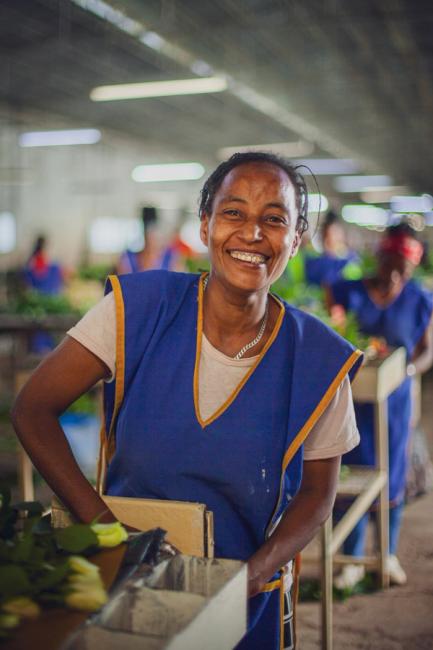
Lake Ziway is where many of our colleagues live, where local farmers draw their water and where our own farms sit. The lake is under pressure. Soil washes down from the surrounding hills, sediment builds up and water quality suffers. No single organisation can solve that alone.
That is why Sher Ethiopia, our sister company in Ethiopia, has joined Ziway Lives and Landscapes Programme. The three-year programme was launched on 22 June 2026 by Wetlands International and Sher Ethiopia, with support from the Embassy of the Kingdom of the Netherlands.
What the programme will work on
The programme has three parts: working with farmers on more careful water use, investing in nature-based solutions to rehabilitate the watershed and protect wetlands, and monitoring water quantity and quality so that decisions are based on data.
Over three years, the programme partners aim to restore 300 hectares of degraded upland, establish 50 hectares of protected lakeshore buffer zones, support 300 small-scale farmers to use 15% less water and 20% less chemical fertiliser and pesticide, and remove 50.000 kg of water hyacinth from the lake together with local communities. These are programme targets, not results yet.
“Ziway lake is critical for local communities, farmers, businesses and biodiversity.” Lulit Tadele, Director, Sher Ethiopia
How it fits with our own work
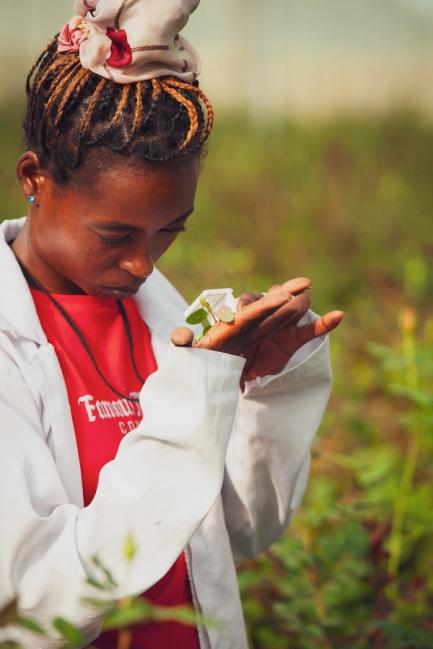
Since 2025 we have also funded land restoration on Werja Hill with Farm Africa. In 2025 that project put 50 hectares of degraded land under restoration, built 5.000 soil and water conservation structures and planted 8.000 indigenous seedlings. Ziway Lives and Landscapes takes a wider view: the whole basin, and the public and private partners who share it.
We will report on progress, including what does not work, in our annual sustainability report. Monitoring of erosion and water infiltration on Werja Hill starts in 2026.