

With respect for our roots
Sustainability
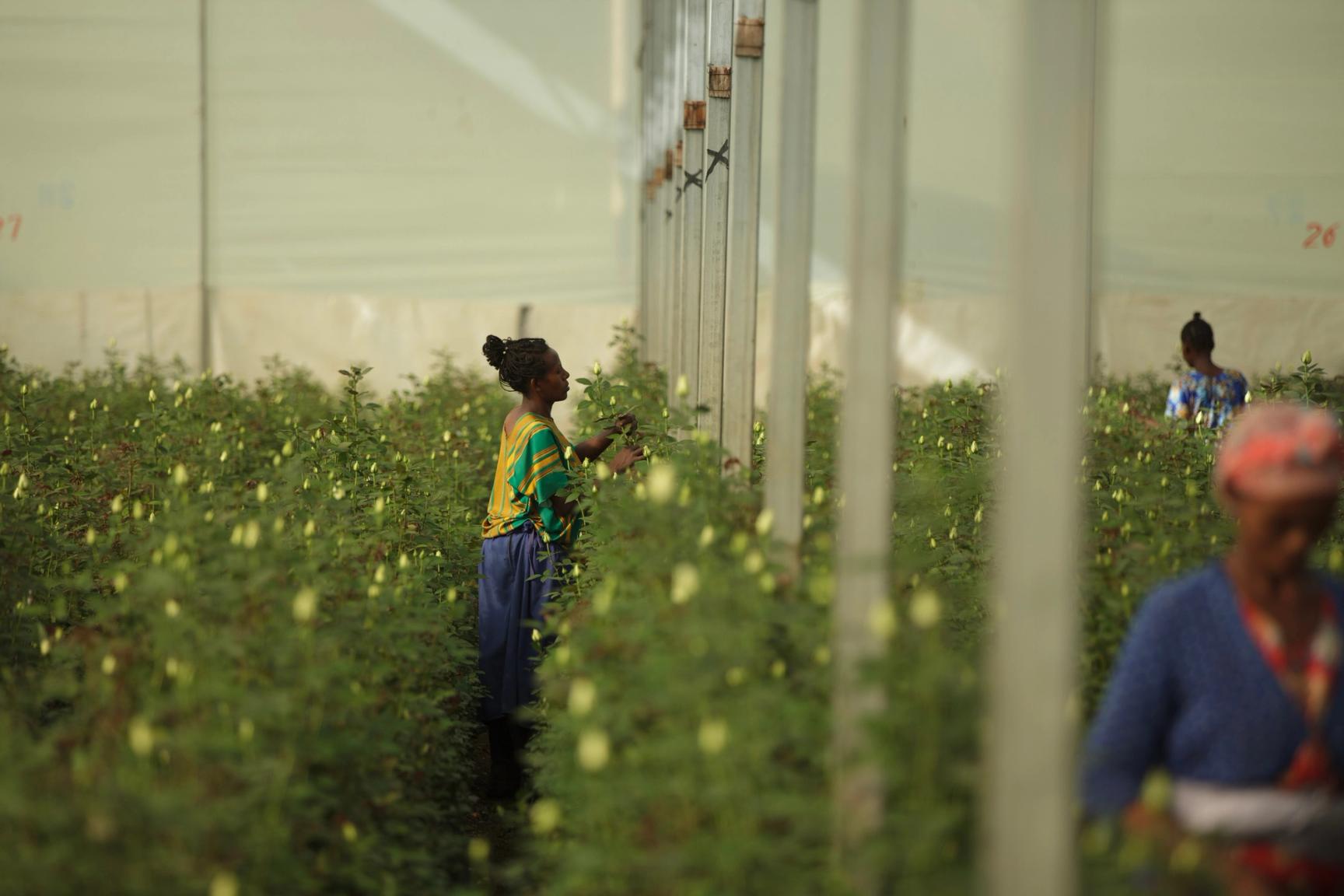
Growing roses at this scale is one thing. Growing them well is another.
Sustainability. Of course, a buzzword, heard often. The flower industry has challenges and we are part of them. So rather than tell you what we are, here is what we are doing, what it has achieved, and where we are still short.
Our approach
Not a destination, but a way of working.
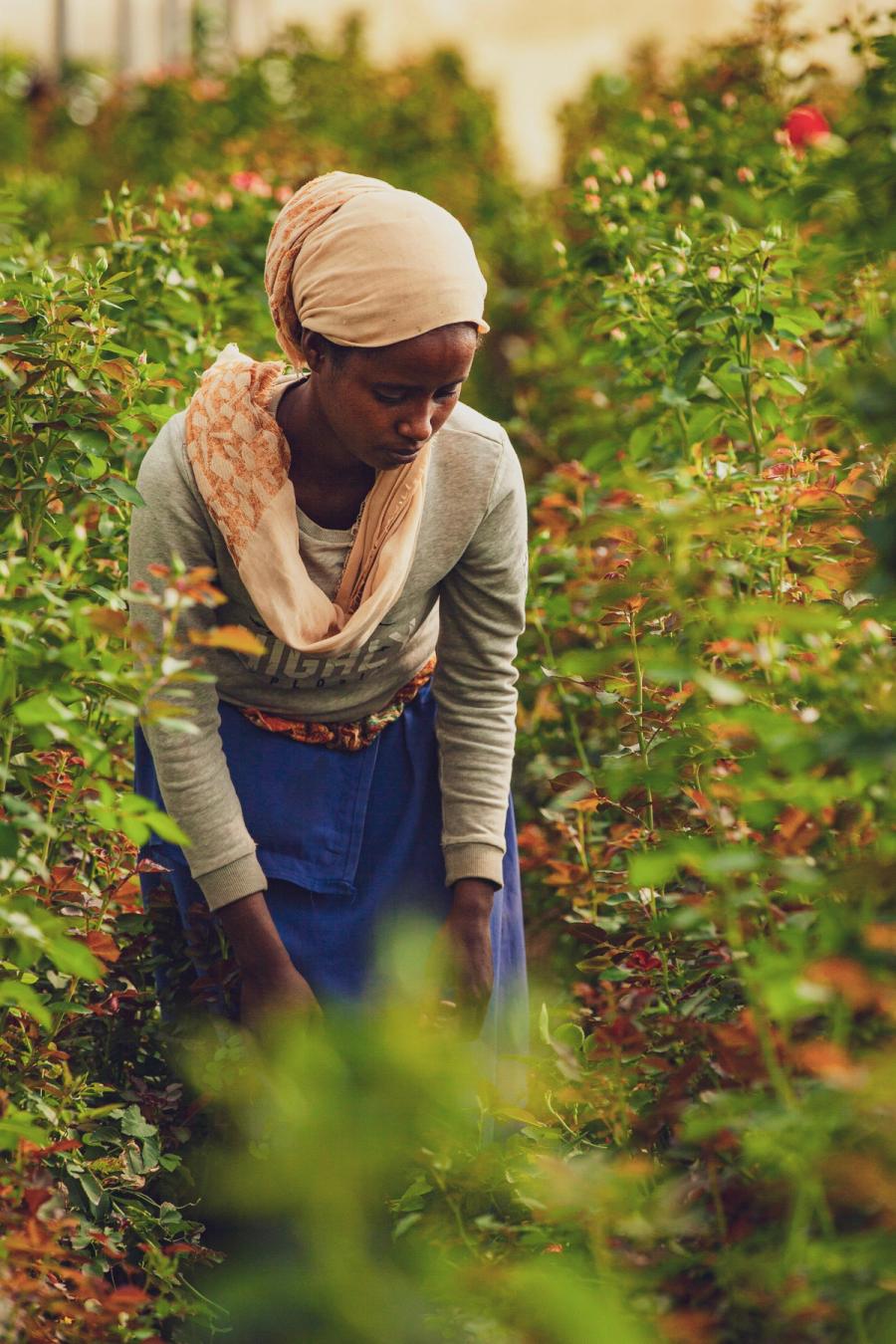
We grow roses by investing in our people, their communities and their environment. That is not something we finish, but work we keep doing, season after season. We publish how it goes once a year, including the years it gets worse.
That’s why our work rests on three parts: the Responsible Growth pillar, covering good agricultural practice, climate change and the land and water around our farms; the Social Roots pillar, covering our people and the communities around us; and the Governance foundation, the policies and management processes that underpin both.
Responsible Growth
Roses should leave an impression. We'd like our footprint to leave less of one.
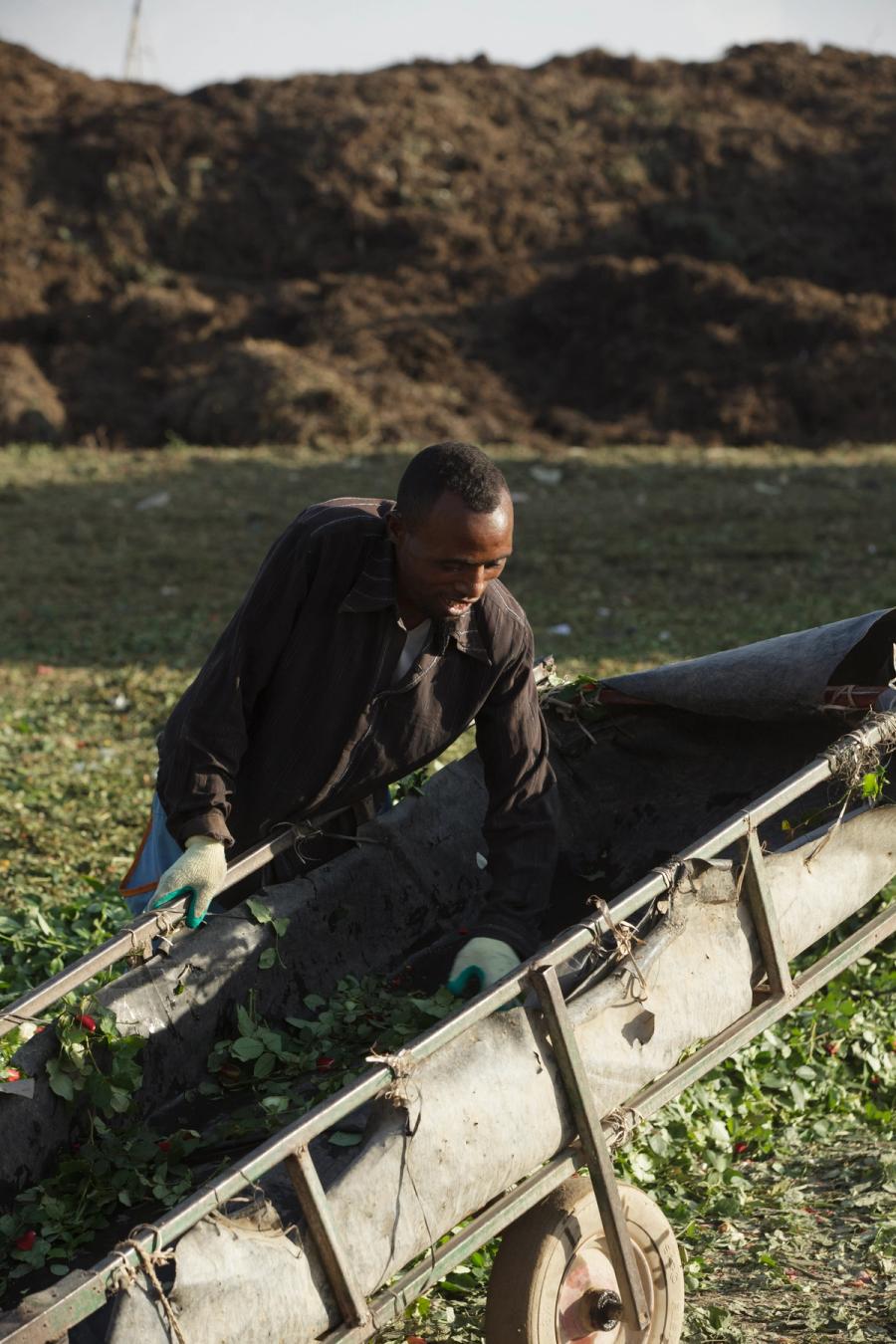
Let’s start with the elephant in the room: our greenhouse gas emissions contribute to climate change. In 2025 they were 115.300 tonnes of CO2-equivalent: 7,9% less than in 2021 (125.200 tonnes). This covers our farms (scope 1), the energy we buy (scope 2) and our supply chain, including airfreight (scope 3). We know we have to bring these emissions down. That is why we are exploring an emission reduction target and a plan to reach it, and will publish both once an independent party has checked them.
In our greenhouses, we use biological crop protection where possible, and chemical crop protection only when necessary. Independent auditors furthermore check how we grow: our farms are certified to environmental certificates such as MPS-GAP and -ABC and the EHPEA Code of Practice at both Gold and Silver level.
Water matters here: our farms sit near Lake Ziway and Lake Koka. On all our farms, man-made wetlands filter used irrigation water so that part of it can be reused. Beyond our fences, we fund land restoration with Farm Africa through the Werja Hill Watershed Management project, and we take part in the Lives & Landscapes project with Wetlands International, which works on water and soil conservation around Lake Ziway.
Social Roots
Our roses spark positivity; our people should, too.
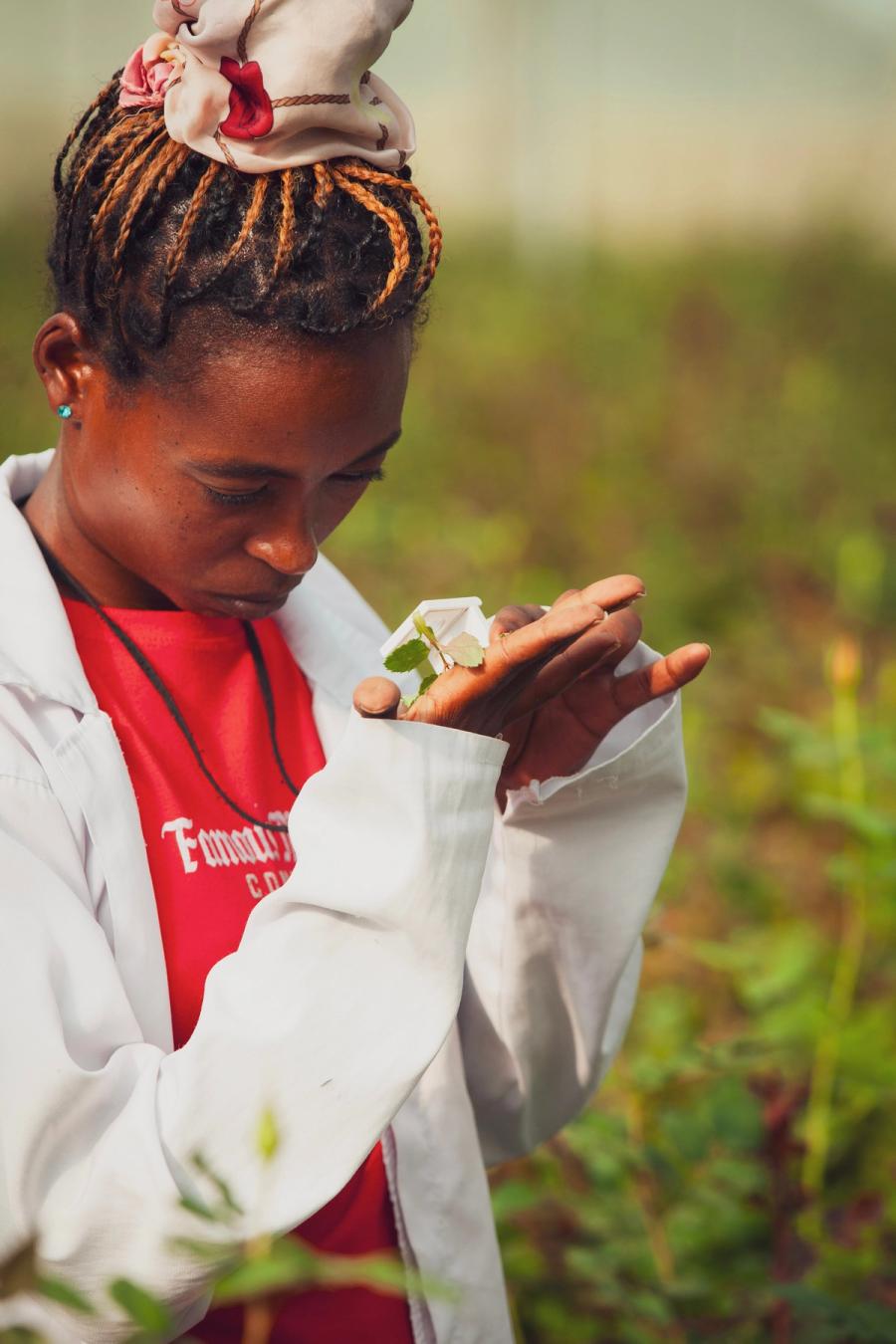
We are working to reduce the living wage gap, to pay women and men equally, to build a more gender-balanced organisation and to invest in our community.
Everyone we employ is paid at least the wage scale in our collective agreement. That is not yet a living wage: the income a family needs for a decent standard of living. We measure the gap with the IDH Salary Matrix and have committed to annual wage increases above official inflation. Closing it will take years, not one wage round.
Women make up around 65% of our workforce, but hold 28% of top management positions. We aim for equal pay, with less than 1% difference for the same role and experience. Our Gender Committee and gender awareness training are part of how we work on the balance at the top.
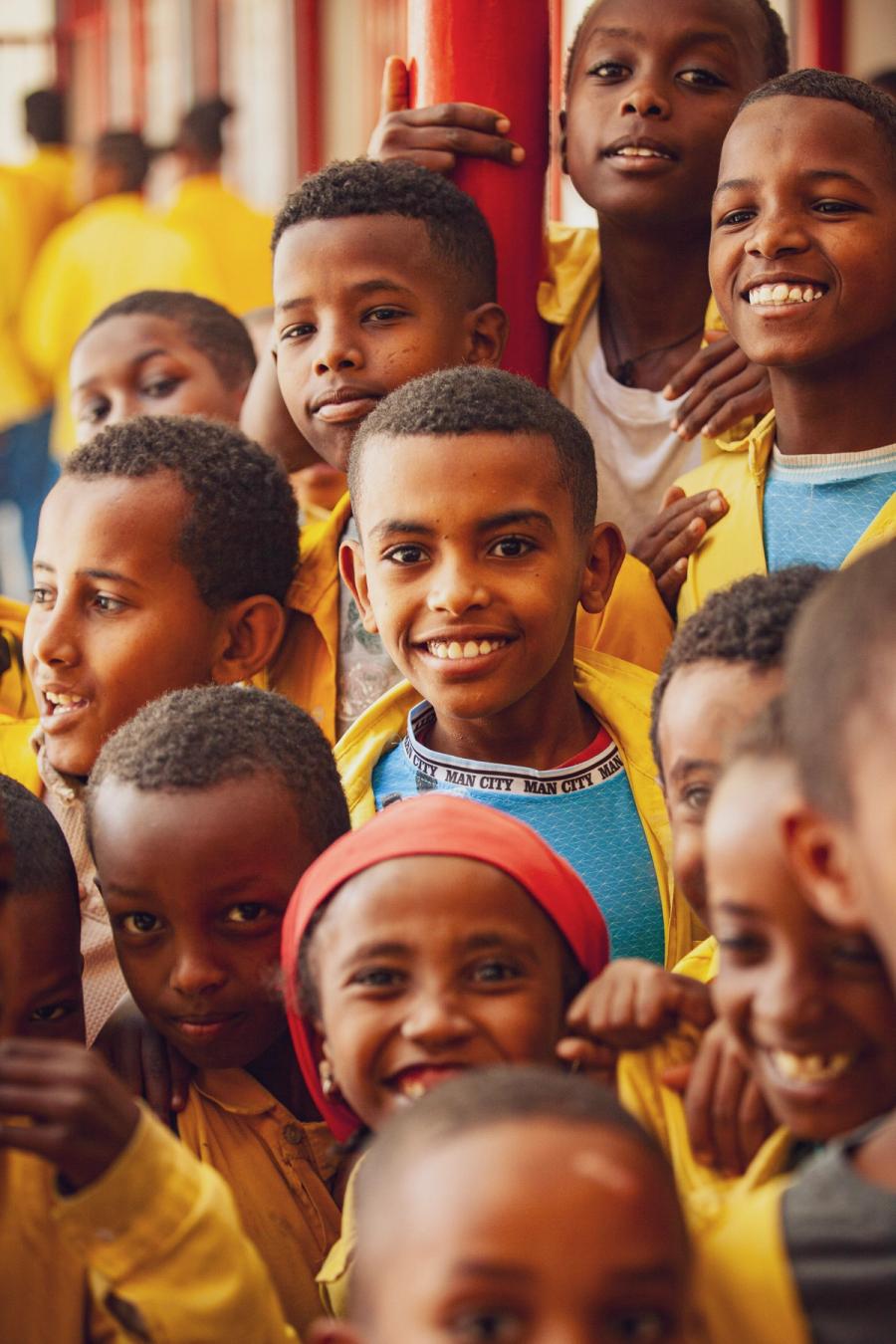
Care does not stop at the farm gate. In 2025, 6.255 students attended Sher Schools and Sher Hospital delivered more than 100.000 treatments and consultations. School is free for every pupil, whether their parents work for us or not. Our employees are treated free of charge; for the community, care is subsidised. We also supported 32 community initiatives around our farms in Adami Tulu, Koka and Ziway.
Governance
We write it down, and we follow it through.
Good governance is what turns an ambition into a practice. Our written policies cover human rights, health and safety, minimum age, equality and diversity, water, biodiversity and responsible sourcing. In 2026, Partner Africa carried out an independent assessment of the human rights risks at Sher Ethiopia. We are following up its findings through dedicated working groups. Independent auditors also check how we treat our people: our farms are certified against social standards including the Fairtrade Standards for Hired Labour and Flowers and Plants, MPS-SQ, Global GAP GRASP and EHPEA Code of Practice Silver and Gold level.
Work in progress
We're testing what could work.
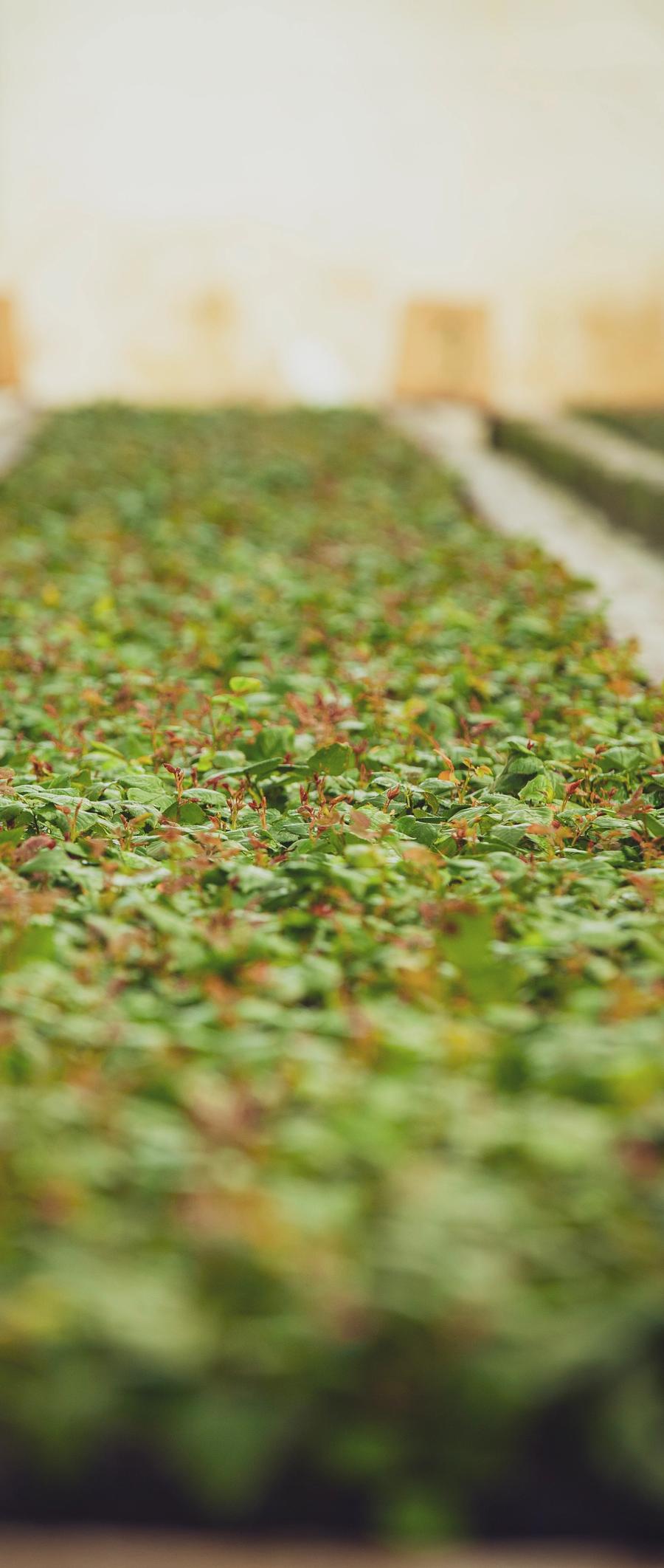
Since 2026 we have been running a five-year pilot in a dedicated greenhouse to test whether chemical pesticides can be removed from rose growing altogether. We measure it against how we grew in 2025. On climate, we are running pilots to cut emissions on our farms and in transport, such as sea freight trials. For Sher Hospital and Sher Schools, we have started three-year improvement plans. These are trials, not results. If they work, we will scale them; if they do not, we will say so.
Want the detail, the methods and the numbers we have not put on this page? They are in our sustainability report.
Report and policies
Our sustainability report gives the full picture: the methods, the figures and the challenges still ahead.